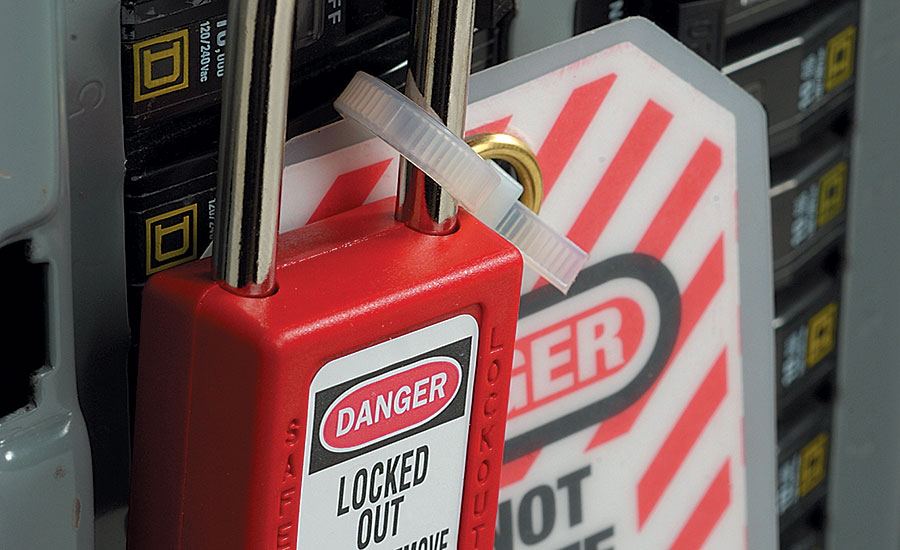


LOCKOUT TAGOUT TRAINING VANCOUVER BC
Study at your own pace. You receive up to 3 attempts to pass your final exam. Print your Certificate of Completion Immediately after each Course (No Expiry).
LOCKOUT TAGOUT TRAINING VANCOUVER SURREY BURNABY RICHMOND VICTORIA LANGLEY DELTA
ONLINE SAFETY TRAINING BC & SAFETY COURSES BCSELF-STUDY FROM YOUR HOME OR BUSINESS OFFICE
GET CERTIFIED TODAY BY B.C.'S MOST RECOGNIZED ONLINE SAFETY TRAINING PROVIDER!
Our unique online safety training system allows you to study anyone of our following safety training courses from the comfort of your own home or business. Our self-study online safety courses are convenient & effective. Pass your exam and get your certification - IT'S THAT EASY. |
ONLINE LOCK OUT TAG OUT TRAINING BCPrefer to take our unique and affordable ONLINE Lock Out Tag Out training version instead?
Our unique online safety training system allows you to study anyone of our following safety training courses from the comfort of your own home or business. Our self-study online safety courses are convenient & effective. Pass your exam and get your certification - IT'S THAT EASY. 
HURRY! Sale Price Ends July 31, 2024
$79.99 + GST EACH STUDENT REGULAR PRICING $89.99 + GST 
|


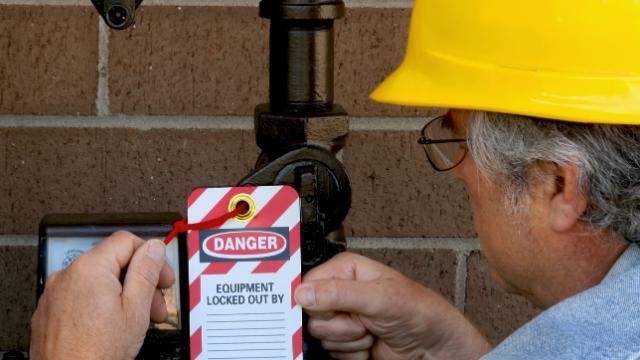


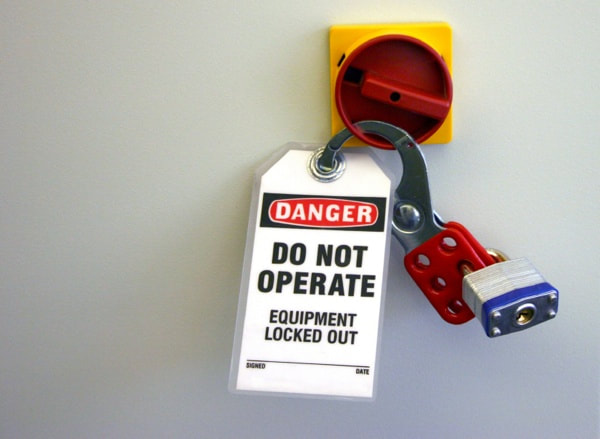
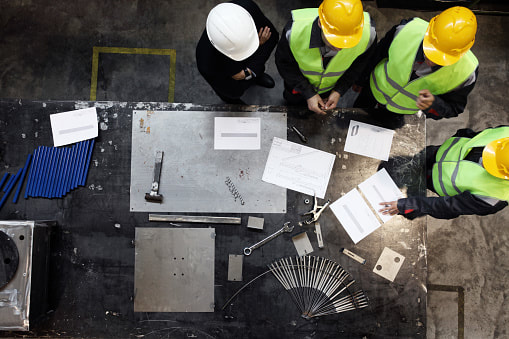


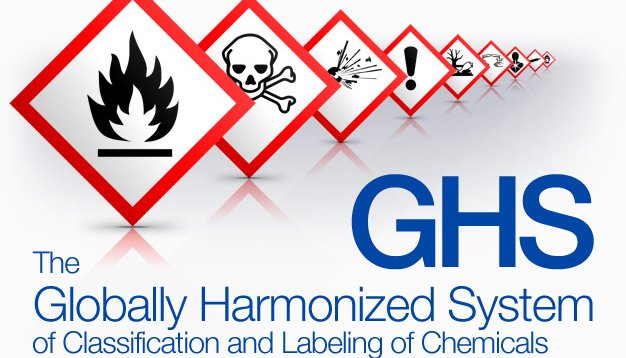
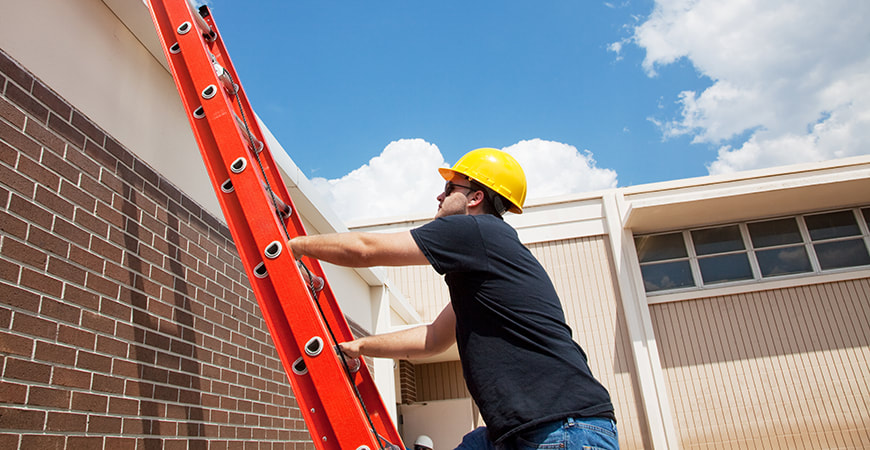
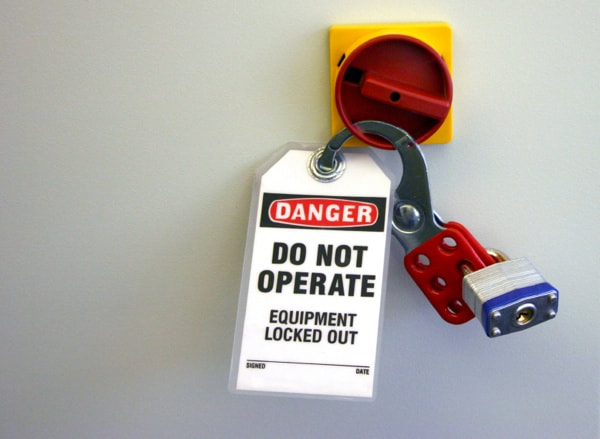


LOCK OUT TAG OUT TRAINING BC I LOCK OUT TAG OUT TRAINING VANCOUVER I LOCK OUT TAG OUT TRAINING SURREY I LOCK OUT TAG OUT TRAINING DELTA I LOCK OUT TAG OUT TRAINING LANGLEY
LOCK OUT TAG OUT TRAINING COQUITLAM I LOCK OUT TAG OUT TRAINING MAPLE RIDGE I LOCK OUT TAG OUT TRAINING KELOWNA I LOCK OUT TAG OUT TRAINING BURNABY I LOCK OUT TAG OUT TRAINING RICHMOND
LOCK OUT TAG OUT TRAINING ABBOTSFORD I LOCK OUT TAG OUT TRAINING VICTORIA
LOCK OUT TAG OUT TRAINING COQUITLAM I LOCK OUT TAG OUT TRAINING MAPLE RIDGE I LOCK OUT TAG OUT TRAINING KELOWNA I LOCK OUT TAG OUT TRAINING BURNABY I LOCK OUT TAG OUT TRAINING RICHMOND
LOCK OUT TAG OUT TRAINING ABBOTSFORD I LOCK OUT TAG OUT TRAINING VICTORIA